
The Mother-Daughter Inheritance
The Lost DaughterLeda’s memories of her own mother and grandmother shape her fear of repeating inherited patterns, even as she recognizes their persistence in herself.
increasing Bearing strength in each event
 decreasing
Bearing strength in each eventdecreasingThreats of Disappearance
Threats of Disappearance
A mother’s warning
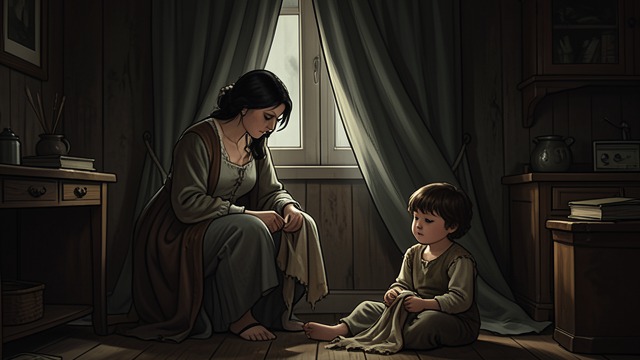
Leda remembers her mother threatening that her daughters would wake to find her gone. The threat made Leda live in fear that the person she depended on might disappear.
A repeated language
Her mother never left, but the possibility of departure entered family life through words and anger. Leda later recognizes that she too made a real departure, giving the old threat a new and more consequential form.
A Grandmother’s Comfort
A Grandmother’s Comfort
A homemade remedy
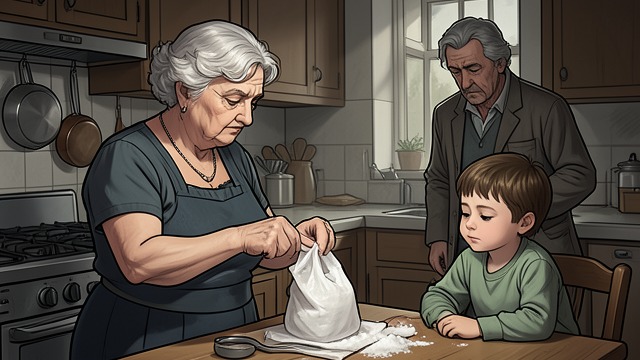
When young Marta cries, Leda’s grandmother wraps sugar in gauze to make a pacifier. The small object calms the child and briefly eases conflict between Leda and her mother.
Care passed down
The memory offers a form of practical tenderness that does not depend on idealized parenting. It links generations through improvised care, while reminding Leda that the women who shaped her were more than the injuries she remembers.
The Language of Home
The Language of Home
Dialect returns
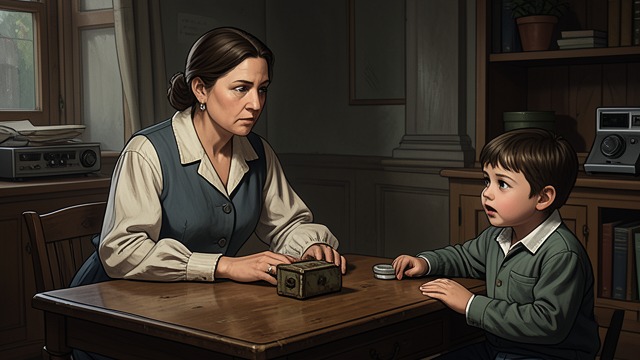
The Neapolitan speech of Nina’s family draws Leda toward memories of her mother’s tenderness and anger. The dialect carries both affection and the force of commands, insults, and threatened disappearance.
Distance proves incomplete
Leda had pursued cultivated Italian and a life away from Naples, yet she hears her native inheritance surface in her speech and in her daughters’ teasing. Escape changes her circumstances without erasing the language and habits she carries.
The Mother’s Last Words
The Mother’s Last Words
A final confession
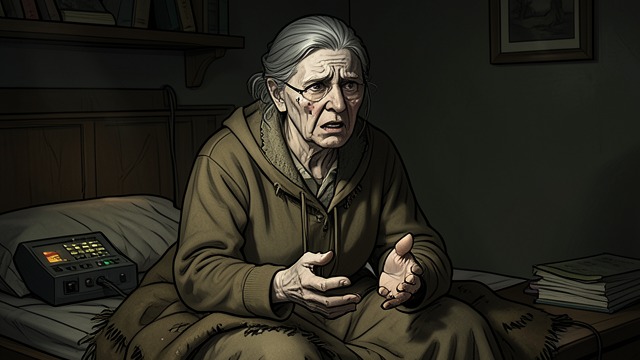
Shortly before her death, Leda’s mother speaks in a broken dialect about feeling cold and losing control of her body. The vulnerability contrasts with the intimidating maternal figure preserved in Leda’s childhood memories.
Regret without repair
Leda recognizes the cruelty of accusations she once made against her mother, including blaming her for what the girls inherited. The recognition arrives too late for reconciliation, leaving inheritance bound to remorse.
A Line That Persists
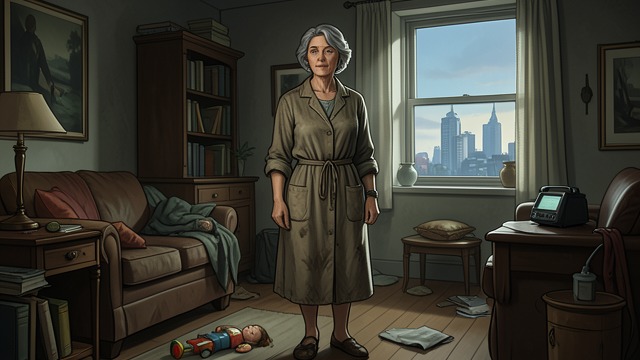
A Line That Persists
The old world remains
Leda sees that the traits she tried to strip away from herself are still within her. The family habits she feared are not simply external influences but part of her own formation.
Inheritance reimagined
She also recognizes that Bianca and Marta have moved into a future she cannot control. The maternal line is neither a fixed destiny nor something Leda can wholly escape; it is transmitted, resisted, and transformed.
Leda’s childhood in Naples
During a childhood visit to Naples
During Leda’s summer conversations
Before Leda’s mother dies
Near the end of the vacation
